The gist: A memoir is a true, first-person recollection — the writer looks back on a real moment, using vivid detail and reflection to make a small memory carry big meaning.
A whole life can turn on one small remembered moment.
“I was eight. My father let go of the saddle without telling me, and for three wobbling seconds I flew — before I realised, and fell.”
It's just a bike. But the grown-up writer, looking back, sees something bigger in it. Memoir mines small moments for meaning — analyse the detail and the reflection.
What to look for
First-person, looking back
‘I’ remembers a real moment, often from years later — a now-voice recalling a then-self.
Vivid sensory detail
Specific sights, sounds and smells make the memory feel real and alive.
A small moment, a big meaning
An ordinary event stands for something larger — growing up, loss, love.
Reflection / hindsight
The older narrator adds what they understand now that they didn't then.
See it drawn, step by step
In My Learning, handwritten diagrams build one step at a time. Play, pause and replay each explanation until it clicks. Create your free account to try it.
The key move: Ask ‘why does this small memory matter to the writer?’ Memoir uses detail plus reflection to lift an ordinary moment into meaning — analyse both.
Free preview
This is the free notes preview
You're reading the free notes. Aimnova Pro unlocks the full study experience — and you can try it with your first topic free to keep:
- FlashcardsLock in vocabulary and key terms with spaced repetition.
- Practice questionsAnswer exam-style questions and get instant AI marking.
- Mock exams & past-paper vaultSit full mocks and see exactly how examiners award marks.
- Personalised study planA daily plan built around your exam date and weak areas.
Why it matters in the exam: A memoir extract can appear in Paper 1. A strong answer analyses how sensory detail and reflection turn a small moment into meaning — not just retelling what happened.
When the guiding question points here: The memoir is on the guide's list of types that can be literary or non-literary. A guiding question might ask how reflection and detail convey the significance of an experience: quote both the younger self who lived it and the older self who looks back.
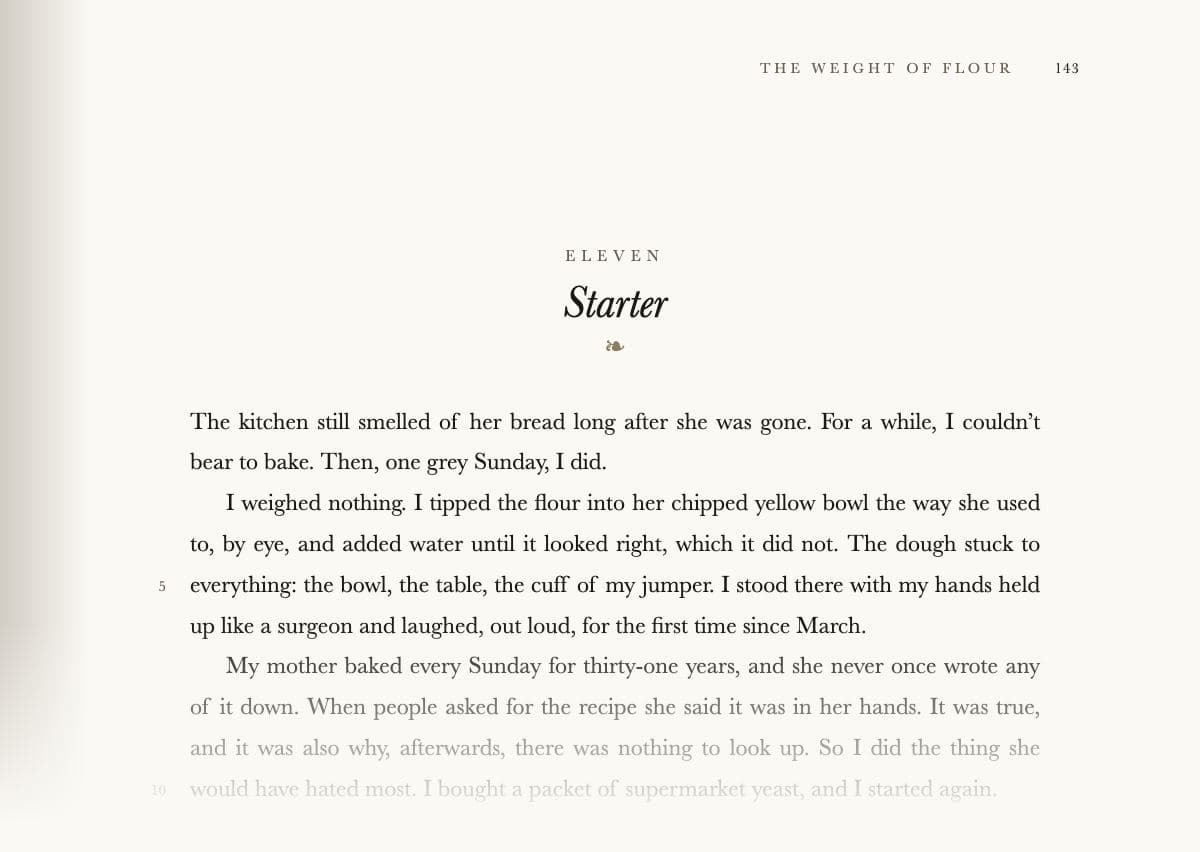
Analyse how the opening of this memoir chapter turns a small moment into meaning.
Model answer plan
See the answer broken into clear points, with guidance on how each point earns marks.
Watch out: Don't just retell the events. Memoir's marks come from the detail and reflection — how a small moment is made to mean something.