In a nutshell: Campaign material (a flyer, a poster, a manifesto line) exists to rally people to act — vote, sign, march — through slogans, promises and strong emotional appeals.
Campaign texts don't want you to think — they want you to move.
“They said it couldn't be done. We say: watch us.”
Short. Punchy. A ‘we’ against a ‘they’. It's built to make you feel part of something and act. Analyse the rhetoric that turns a reader into a supporter.
What to look for
A memorable slogan
A short, repeatable line that sticks and can be chanted or shared.
‘Us’ vs ‘them’
A ‘we’ (the people, the movement) against a ‘they’ (the opponent) builds unity.
Promises and emotive appeals
Big promises and feelings — hope, anger, pride — over careful detail.
A clear call to action
Vote. Sign. Join. Share. — it always tells you exactly what to do.
The key move: Ask ‘how does it make me feel part of something and act?’ Campaign material persuades through identity, emotion and a call to action — analyse the rhetoric.
Free preview
This is the free notes preview
You're reading the free notes. Aimnova Pro unlocks the full study experience — and you can try it with your first topic free to keep:
- FlashcardsLock in vocabulary and key terms with spaced repetition.
- Practice questionsAnswer exam-style questions and get instant AI marking.
- Mock exams & past-paper vaultSit full mocks and see exactly how examiners award marks.
- Personalised study planA daily plan built around your exam date and weak areas.
Why it matters in the exam: Campaign material can appear in Paper 1. A strong answer analyses the persuasive rhetoric — slogans, ‘us vs them’, emotive appeals, calls to action — and how it rallies the reader.
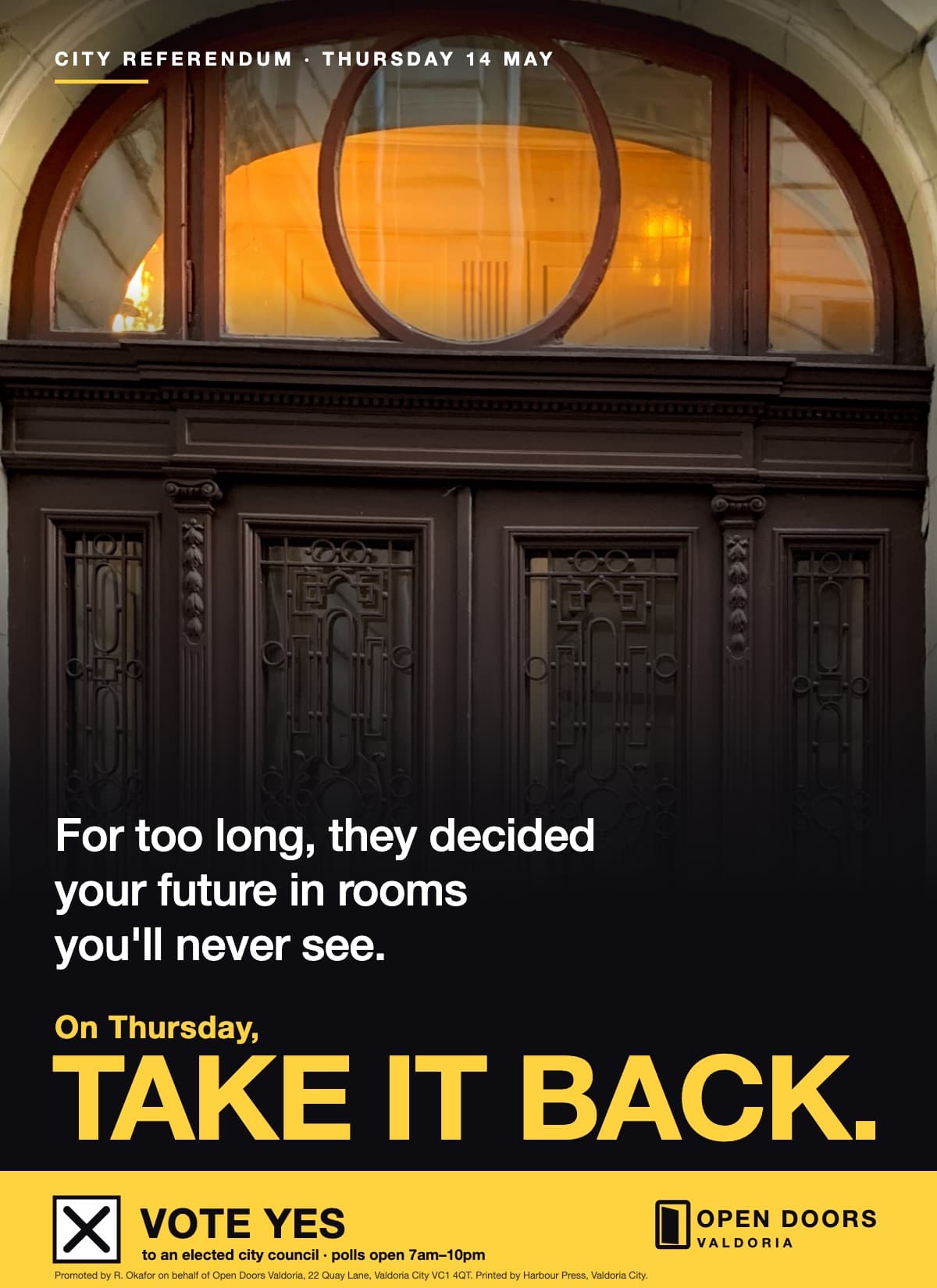
Analyse how this campaign poster uses words and images to persuade voters to act.
Model answer plan
See the mark-by-mark plan — for / against / judgement, with marking guidance — in study mode.
Watch out: Don't get lost summarising the campaign's cause. The marks come from how it persuades — the slogan, the ‘us vs them’, the call to act.