In one line: Travel writing takes you somewhere through a writer's eyes — vivid description plus a personal voice make a place come alive and reveal how the writer feels about it.
Good travel writing isn't a list of sights.
“The market hit me all at once — frying garlic, a man shouting prices like poetry, and somewhere, a goat that clearly hated everyone.”
You can smell it. The writer mixes sharp sensory detail with a dry voice, so you don't just learn about the place — you feel their experience of it. Analyse how.
What to look for
Sensory description
Sights, sounds, smells and tastes put you right there in the place.
A personal voice
Dry, awestruck or exhausted — the writer's personality colours everything.
Observation + reflection
It notices the place AND what the writer thinks or feels about it.
Selection of detail
The writer picks the telling detail (the angry goat), not everything.
The key move: Ask ‘how does the writer make me feel this place and their response to it?’ Travel writing works through sensory detail plus voice — analyse both.
Free preview
This is the free notes preview
You're reading the free notes. Aimnova Pro unlocks the full study experience — and you can try it with your first topic free to keep:
- FlashcardsLock in vocabulary and key terms with spaced repetition.
- Practice questionsAnswer exam-style questions and get instant AI marking.
- Mock exams & past-paper vaultSit full mocks and see exactly how examiners award marks.
- Personalised study planA daily plan built around your exam date and weak areas.
Why it matters in the exam: Travel writing can appear in Paper 1. A strong answer analyses how description and voice bring a place alive and convey the writer's experience — not just what the place is like.
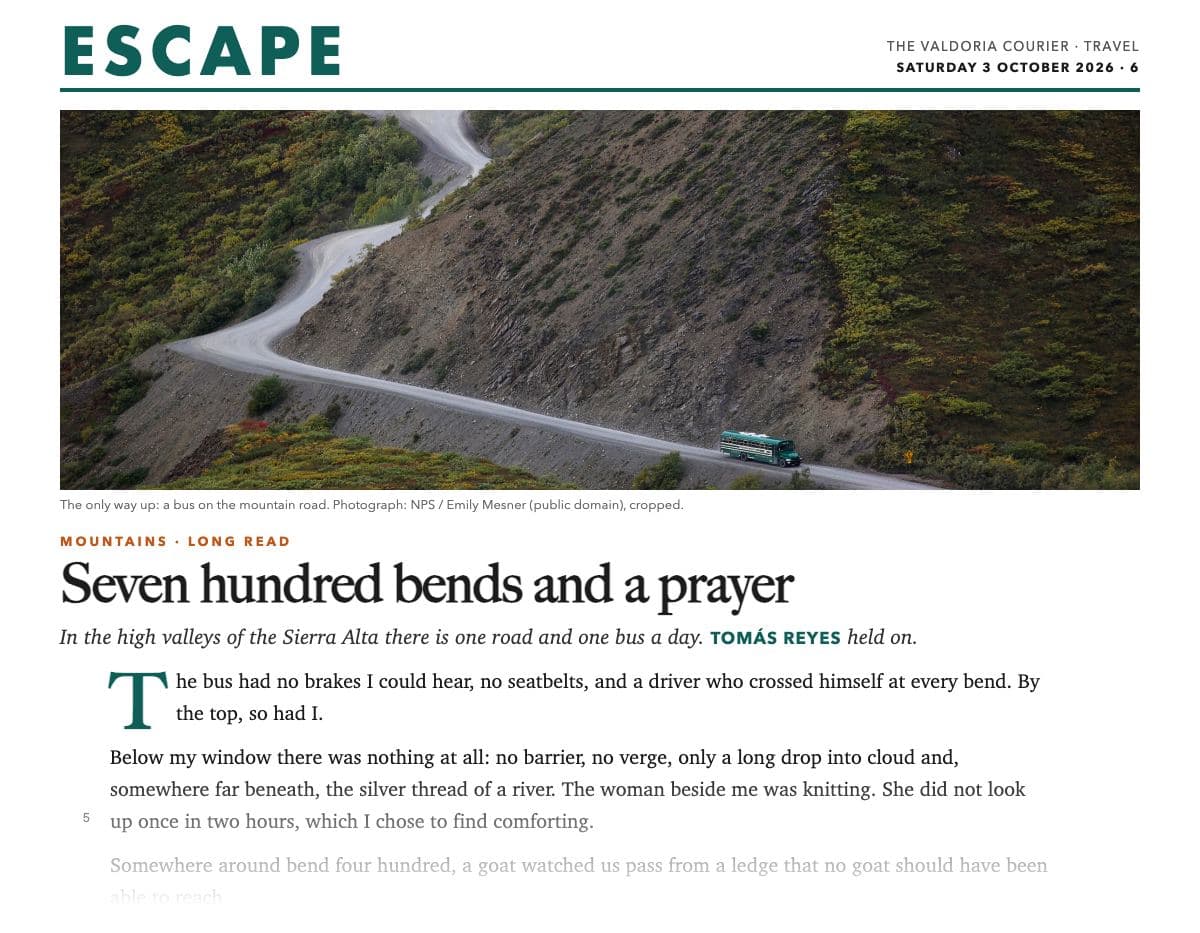
Analyse how the opening of this travel piece puts the reader on the journey.
Model answer plan
See the mark-by-mark plan — for / against / judgement, with marking guidance — in study mode.
Watch out: Don't just say ‘the writer describes a place’. The marks come from the specific detail and voice — how the place and the writer's response come alive.