In one line: A review gives a verdict — is it any good? — and backs it with reasons and examples, all in a lively voice that helps you decide.
A review has one job: help you decide, with style.
“The film is two hours long. I felt every one of them. On the plus side, the popcorn was excellent.”
That's a verdict (bad), evidence (it dragged), and a voice (dry, funny) — all at once. A review judges, proves and entertains. Analyse how it does all three.
What to look for
A clear verdict
It takes a side — great, awful, mixed — you're never left guessing the opinion.
Evidence for the judgement
Specific reasons and examples back the verdict, so it's not just ‘I liked it’.
A strong, often witty voice
Reviews entertain as they judge; the voice is half the pleasure.
Guidance for the reader
It helps you decide — is this for me? worth my time or money?
The key move: Ask ‘what's the verdict, and how is it proved and performed?’ A review persuades through judgement, evidence and voice — analyse how they combine.
Free preview
This is the free notes preview
You're reading the free notes. Aimnova Pro unlocks the full study experience — and you can try it with your first topic free to keep:
- FlashcardsLock in vocabulary and key terms with spaced repetition.
- Practice questionsAnswer exam-style questions and get instant AI marking.
- Mock exams & past-paper vaultSit full mocks and see exactly how examiners award marks.
- Personalised study planA daily plan built around your exam date and weak areas.
Why it matters in the exam: A review can appear in Paper 1. A strong answer analyses how the verdict, evidence and voice work together to judge and entertain — not just whether the reviewer liked the thing.
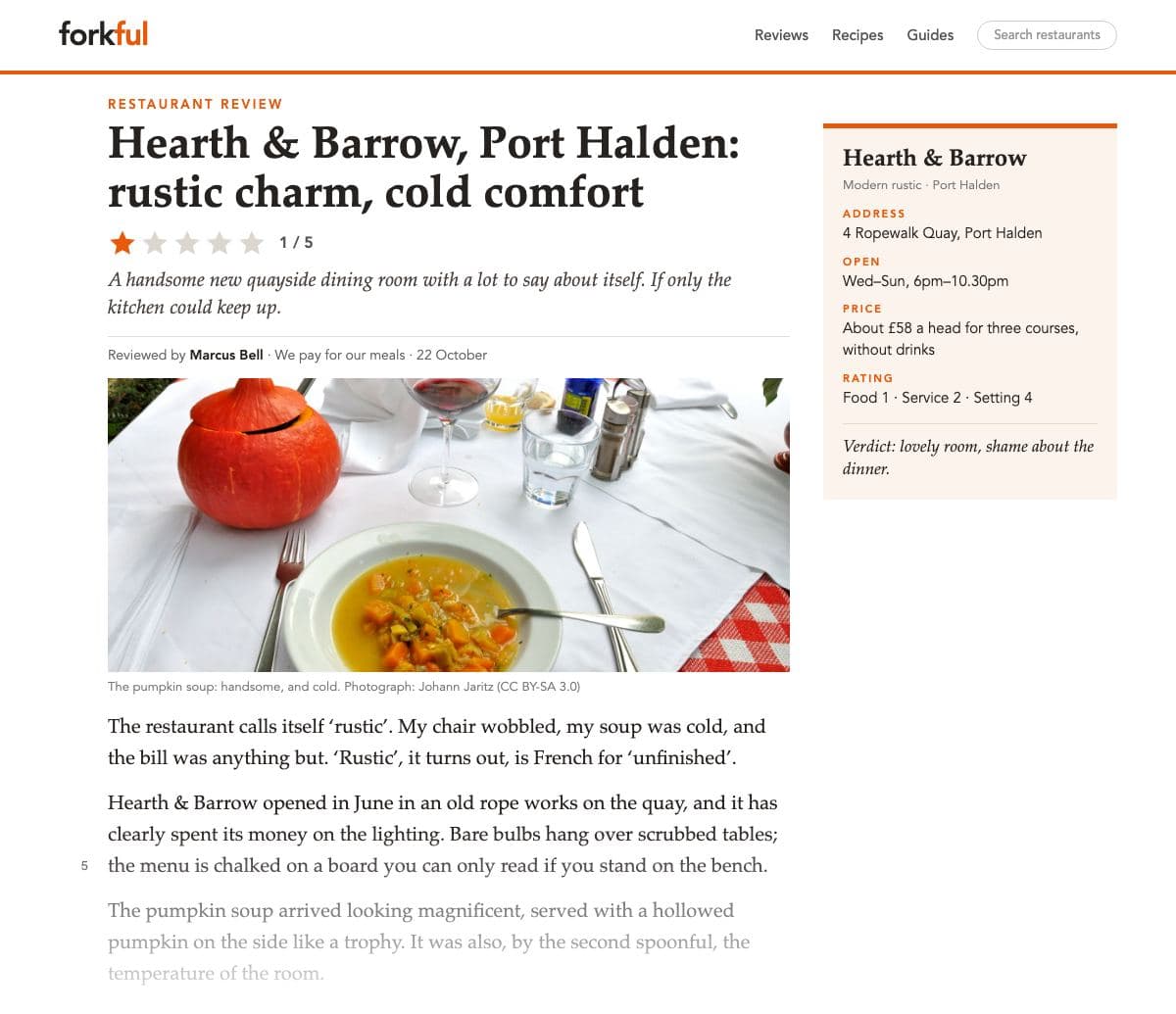
Analyse how this opening of a restaurant review delivers its verdict.
Model answer plan
See the mark-by-mark plan — for / against / judgement, with marking guidance — in study mode.
Watch out: Don't just say ‘the reviewer liked/disliked it’. The marks come from how the verdict is proved with evidence and performed in the voice.