The big idea: A news report exists to inform fast: the most important facts go first, in a plain, factual voice — but even ‘neutral’ news makes choices you can analyse.
You skim a news app on the bus.
A headline, then the key facts up top: who, what, where, when. You could stop after one paragraph and still know the story.
That shape is deliberate — it's built so a busy reader gets the point instantly. But which facts come first, and which words the writer picks, are choices worth questioning.
What to look for
Headline + byline
A short factual headline, then who wrote it — sets the story and its source.
Inverted pyramid
Most important facts first; detail and background come later.
The 5 Ws
Who, what, where, when (and why) — packed into the opening.
Sources and quotes
Named people and officials are quoted to sound reliable and balanced.
The key move: Ask ‘which facts did they put first, and what words did they choose?’ Order and word choice reveal a slant even when the tone sounds neutral.
Free preview
This is the free notes preview
You're reading the free notes. Aimnova Pro unlocks the full study experience — and you can try it with your first topic free to keep:
- FlashcardsLock in vocabulary and key terms with spaced repetition.
- Practice questionsAnswer exam-style questions and get instant AI marking.
- Mock exams & past-paper vaultSit full mocks and see exactly how examiners award marks.
- Personalised study planA daily plan built around your exam date and weak areas.
Why it matters in the exam: News can appear in Paper 1. A strong answer spots the choices inside ‘neutral’ reporting — what's placed first, whose voice is quoted, whether words are loaded — not just the facts.
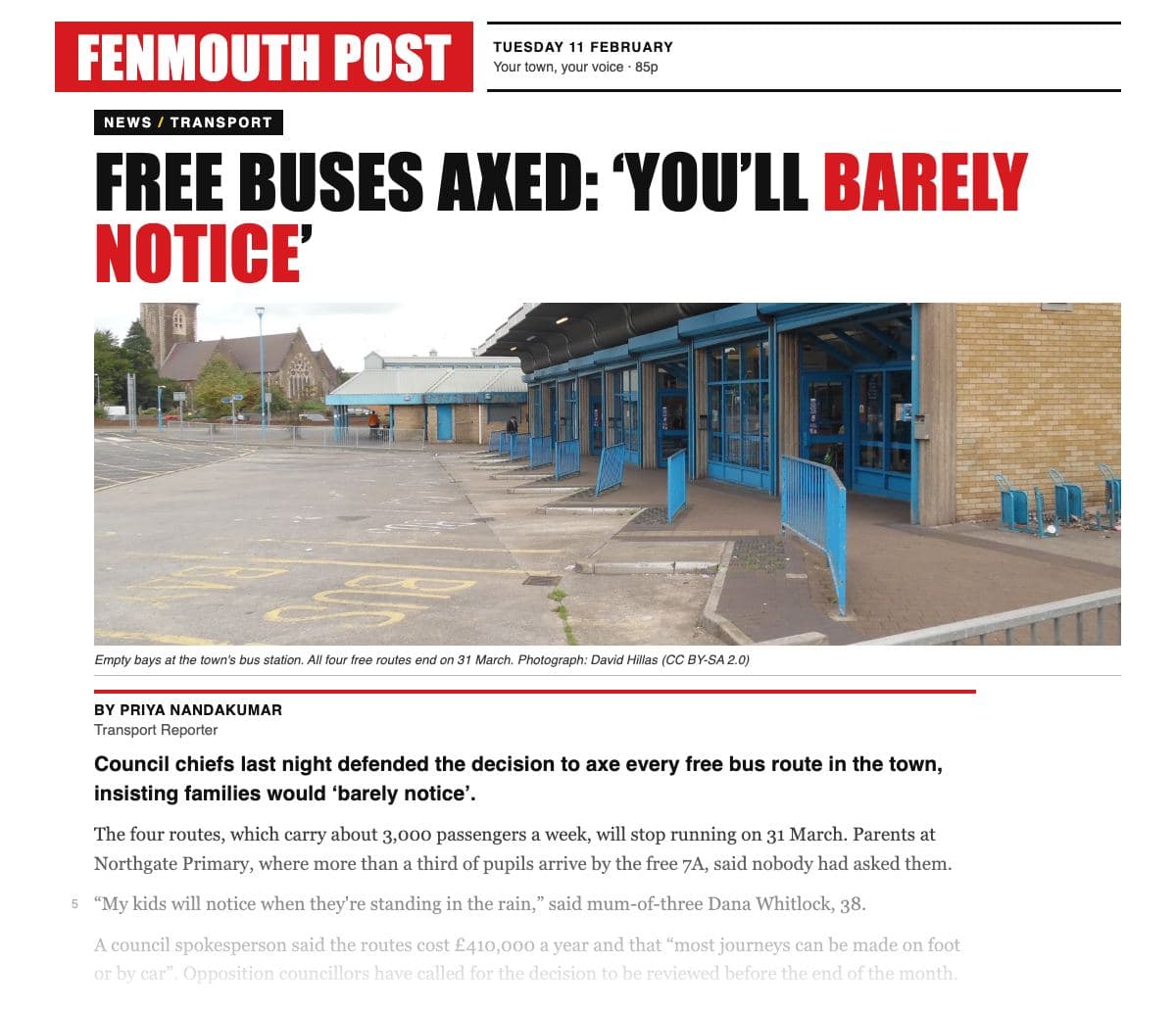
Analyse how this opening of a news report informs its readers while taking a side.
Model answer plan
See the mark-by-mark plan — for / against / judgement, with marking guidance — in study mode.
Watch out: Don't assume news is ‘just facts’ and has nothing to analyse. The slant hides in which fact comes first, which verb, whose quote — find those.