The short version: A poem says a lot in a little — every word, line break and sound is chosen, so form and language carry as much meaning as the words themselves.
A poem is language turned up to full.
“The kettle sings. / The empty house / pretends to listen.”
Three short lines, and you feel loneliness. The line breaks make you pause; ‘pretends’ does huge work. In a poem,where a line ends and which word is chosen are as important as the meaning. Analyse the craft.
What to look for
Form and line breaks
Where lines end creates pauses and emphasis; the shape on the page is a choice.
Imagery
Metaphor, simile and vivid pictures pack feeling into few words.
Sound
Rhythm, rhyme, alliteration and repetition make meaning you can hear.
Compression
Every word carries weight — poems cut everything that isn't essential.
The key move: Ask ‘why THIS word, and why does the line break HERE?’ A poem's meaning lives in form, sound and image — analyse the choices, not just the sense.
Free preview
This is the free notes preview
You're reading the free notes. Aimnova Pro unlocks the full study experience — and you can try it with your first topic free to keep:
- FlashcardsLock in vocabulary and key terms with spaced repetition.
- Practice questionsAnswer exam-style questions and get instant AI marking.
- Mock exams & past-paper vaultSit full mocks and see exactly how examiners award marks.
- Personalised study planA daily plan built around your exam date and weak areas.
Why it matters in the exam: A poem (PD or original) can appear in Paper 1. A strong answer analyses how form, line breaks, imagery and sound create meaning and feeling — not just paraphrasing what it ‘means’.
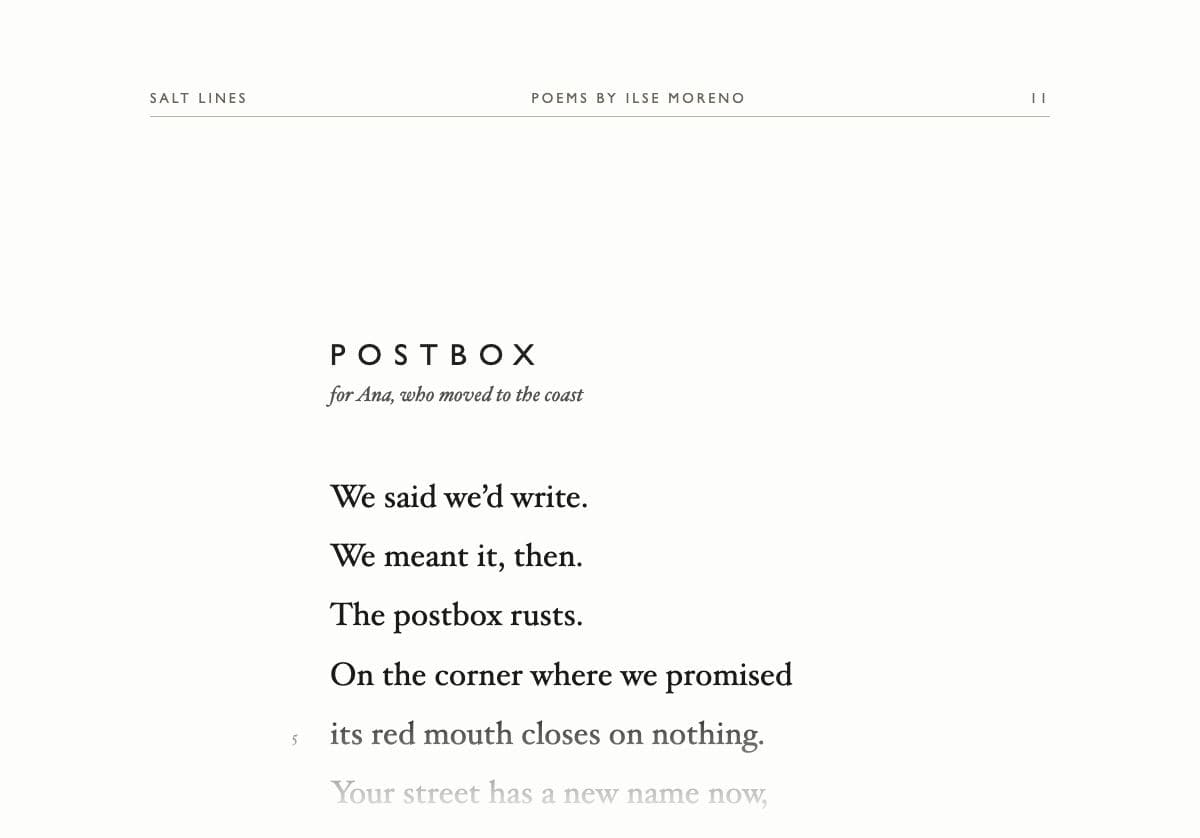
Analyse how the opening lines of this poem create meaning and feeling.
Model answer plan
See the mark-by-mark plan — for / against / judgement, with marking guidance — in study mode.
Watch out: Don't just paraphrase what the poem ‘means’. The marks come from the craft — word choice, line breaks, imagery and sound — that makes the meaning.