The gist: A comic strip tells a story in panels — images and words together — and the sequence, plus the gap between panels, does a lot of the work.
Three little boxes, and you laugh.Panel 1: a cat eyes a full glass on a table.Panel 2: the cat, paw raised, stares at its owner.Panel 3: the glass on the floor, the cat gone.
No words needed. The sequence and what happens between panels tell the joke. That's the comic strip — analyse how images, words and order build meaning.
What to look for
Panels in sequence
Boxes read in order; the story moves panel to panel.
The gutter (the gap)
The space between panels — you fill in what happens, and the timing lands the joke.
Speech and thought bubbles
Words come as dialogue or thoughts; shape and size show tone and volume.
Exaggeration and visual gags
Big eyes, sweat drops, a final twist panel — cartoon shorthand for feeling.
The key move: Ask ‘how do the panels and their order build the meaning or joke?’ In a comic, sequence and the gap between panels matter as much as any single image.
Free preview
This is the free notes preview
You're reading the free notes. Aimnova Pro unlocks the full study experience — and you can try it with your first topic free to keep:
- FlashcardsLock in vocabulary and key terms with spaced repetition.
- Practice questionsAnswer exam-style questions and get instant AI marking.
- Mock exams & past-paper vaultSit full mocks and see exactly how examiners award marks.
- Personalised study planA daily plan built around your exam date and weak areas.
Why it matters in the exam: A comic strip can appear in Paper 1. A strong answer analyses how images, words and sequence work together — the panel order, the final twist, the exaggeration — not just describing each box.
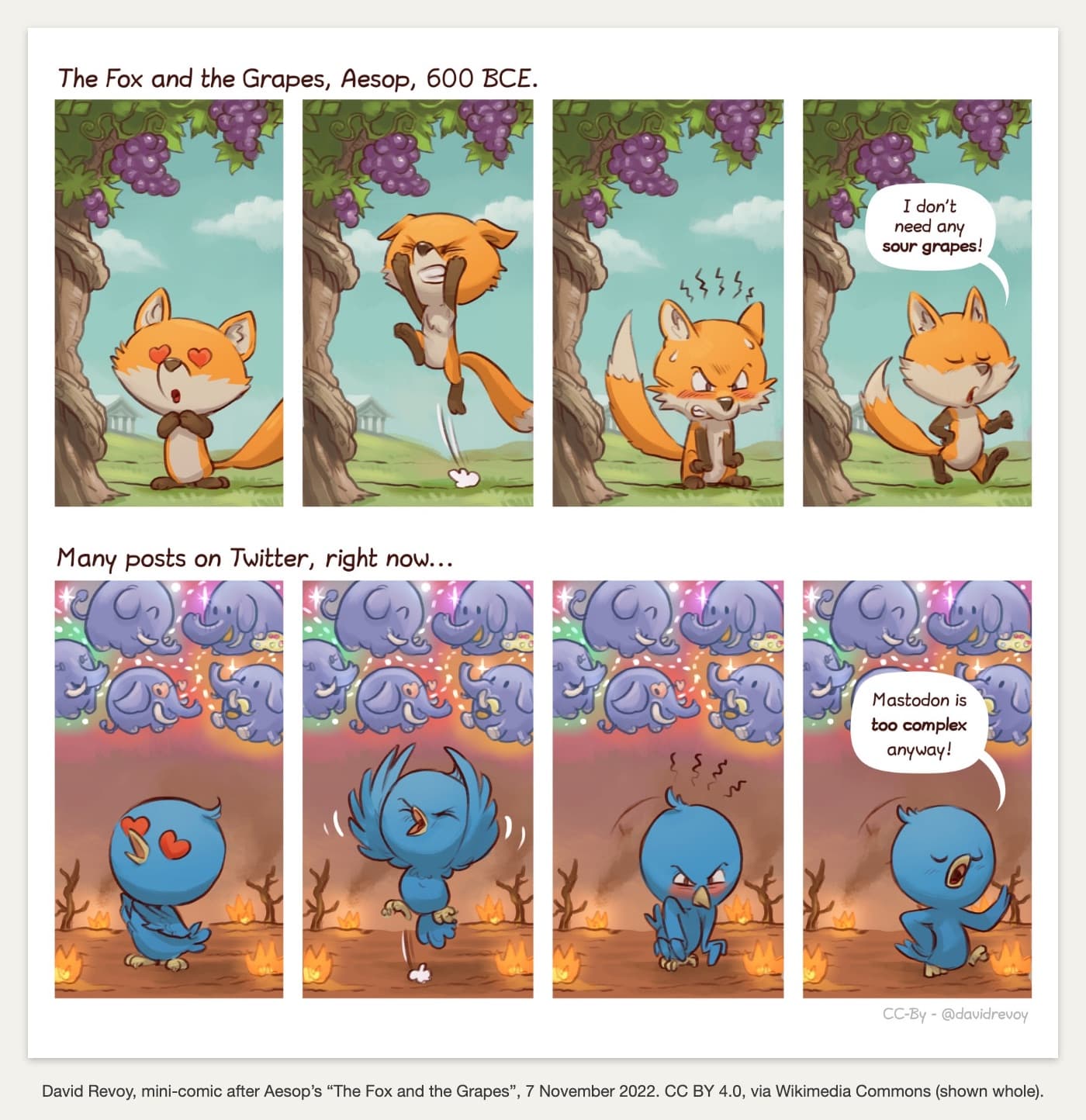
Analyse how this comic strip uses its panels and their timing to make its point.
Model answer plan
See the mark-by-mark plan — for / against / judgement, with marking guidance — in study mode.
Watch out: Don't just describe each panel one by one. The meaning lives in the order and the gaps — how one panel sets up the next, and how the last one lands.