The gist: An opinion column is one named writer's personal, argued view — proudly one-sided. Its power is the voice.
Think of that one relative who turns any topic into a rant — funny, over-the-top, and somehow you end up agreeing.
A columnist is that, on paper. They don't give ‘both sides’ — they win you over with humour, stories and a strong personality.
What to look for
First-person voice
‘I’ and a strong personality — witty, angry, warm.
Anecdote → point
A small personal story opens into the bigger argument.
Humour / sarcasm
Jokes make a side look silly and pull you onto the writer's team.
Hyperbole & questions
Exaggeration for effect; questions that make you nod along.
Persona · anecdote · humour · hyperbole
The key move: In a column, how it's said wins you over. Link the voice and tone to the persuasion — that's the analysis.
Free preview
This is the free notes preview
You're reading the free notes. Aimnova Pro unlocks the full study experience — and you can try it with your first topic free to keep:
- FlashcardsLock in vocabulary and key terms with spaced repetition.
- Practice questionsAnswer exam-style questions and get instant AI marking.
- Mock exams & past-paper vaultSit full mocks and see exactly how examiners award marks.
- Personalised study planA daily plan built around your exam date and weak areas.
Why it matters in the exam: A Paper 1 column asks how the writer persuades or builds a voice. Show how the tone pulls the reader onto the writer's side.
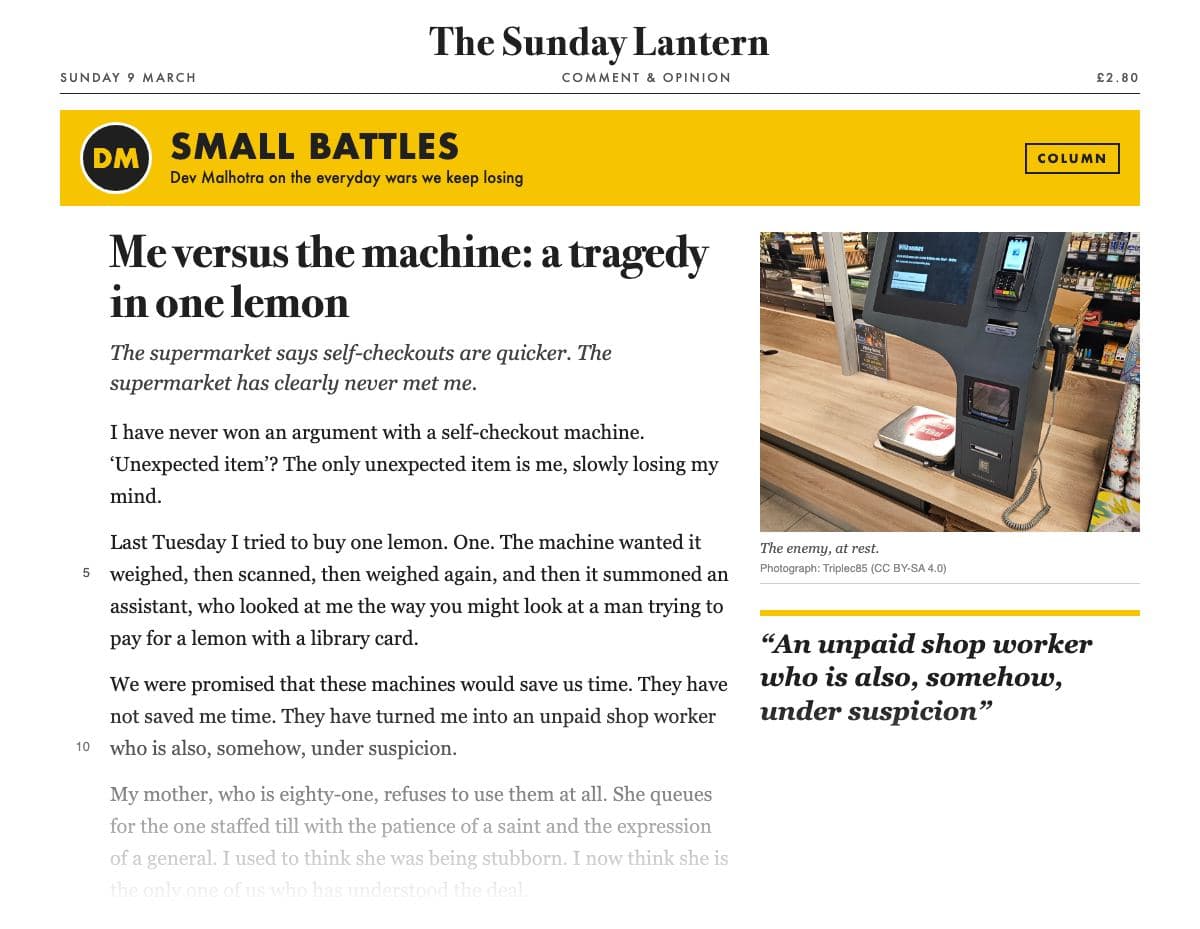
Analyse how this opening of an opinion column builds a persuasive voice.
Model answer plan
See the mark-by-mark plan — for / against / judgement, with marking guidance — in study mode.
Watch out: Don't treat a column like a balanced report — it's meant to be one-sided. And don't miss the persona: the writer's character is a choice.