A carbon footprint counts greenhouse-gas emissions: A carbon footprint includes emissions along the supply chain, not just emissions you can see.
Picture buying a new T-shirt
Materials · Grow or make
- Producing fibres can create emissions.
- Energy and fertilisers may be used to grow cotton.
Factory · Manufacture
- Making the product uses energy.
- Machines spin, weave and dye the fabric.
Transport · Deliver
- Moving products can create emissions.
- Ships and trucks carry the T-shirt to the shop.
A simple way to reduce demand: Using a T-shirt for longer reduces how often a replacement needs to be made.
Free preview
This is the free notes preview
You're reading the free notes. Aimnova Pro unlocks the full study experience — and you can try it with your first topic free to keep:
- FlashcardsLock in vocabulary and key terms with spaced repetition.
- Practice questionsAnswer exam-style questions and get instant AI marking.
- Mock exams & past-paper vaultSit full mocks and see exactly how examiners award marks.
- Personalised study planA daily plan built around your exam date and weak areas.
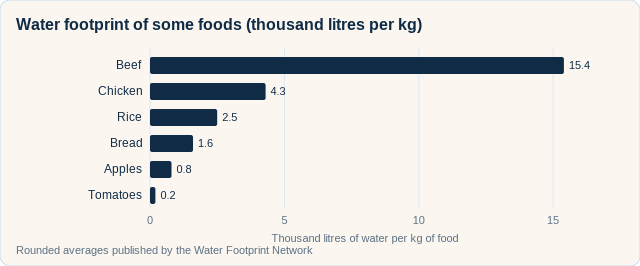
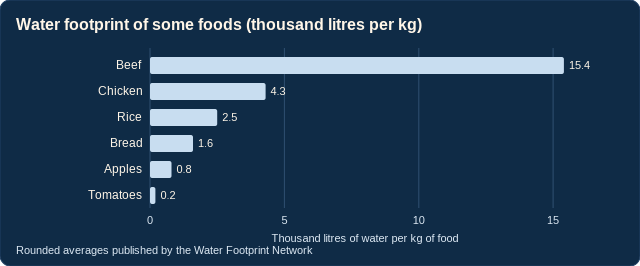
A water footprint includes water you do not see: It measures fresh water used directly and through the production of goods and services.
Direct · At home
- Water you use yourself.
- Showering, cooking and washing.
Hidden · In products
- Embedded water is part of its footprint.
- Water used to grow cotton for a T-shirt.
Units · Volume
- Use litres or cubic metres.
- Litres per product, or cubic metres per year.
Practice with exam-style questions
Answer exam-style questions and get AI feedback that shows you exactly what examiners want to see in a full-marks response.
Choose the change that addresses the main pressure: Carbon, water and ecological footprints measure different things. A strategy can improve one more than another.
Carbon · Emissions
- Reduce greenhouse gases.
- Lower-emission energy can reduce the carbon footprint.
Water · Fresh water
- Reduce water demand and local pressure.
- Reuse water where treatment makes it suitable.
Materials · Resource use
- Avoid unnecessary material consumption.
- Repair, reuse and recover materials.
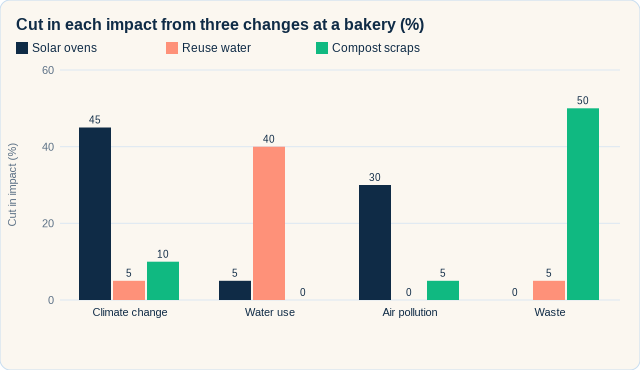
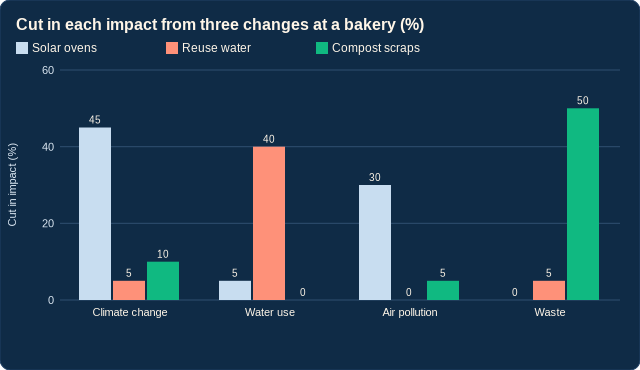
Use the graph and the local context: In the bakery example, reusing water cuts water use by 40%. That may be a priority in a water-scarce town, even if another option cuts carbon emissions more.
Make the action specific
Name the method and the impact: reuse suitable treated water → less fresh water required.
How to answer: Give a concise answer.
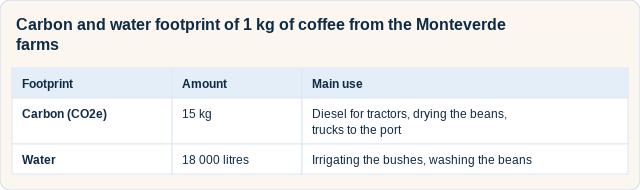
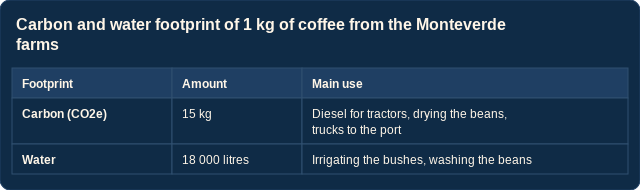
Figure 1 shows the carbon and water footprint of 1 kg of coffee from the Monteverde farms, with the main use of each.
(a) Using Figure 1, state two environmental impacts of producing 1 kg of coffee from the Monteverde farms.
(b) Suggest one method by which the carbon footprint and one method by which the water footprint could be lowered.
Model answer plan
See the answer broken into clear points, with guidance on how each point earns marks.