This page is about the microbes living in your gut, what changes them, and how they affect the nutrients you get from food.
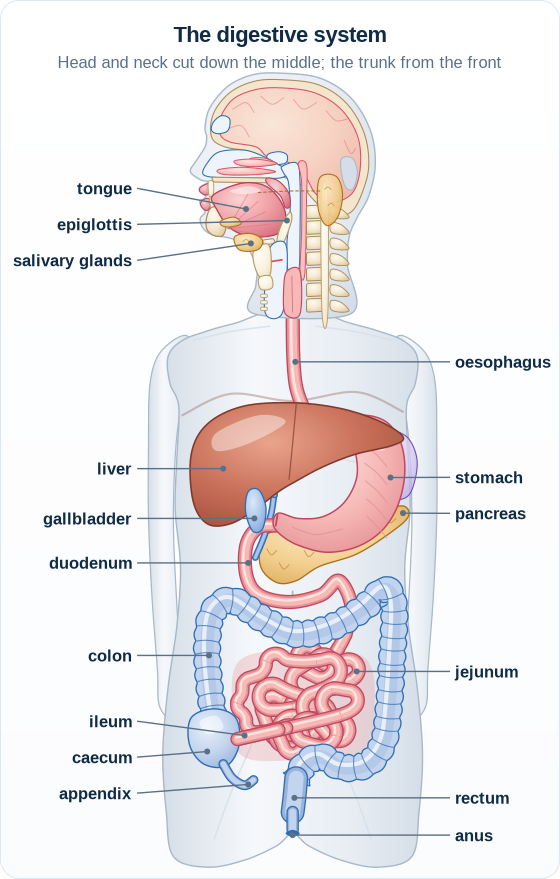
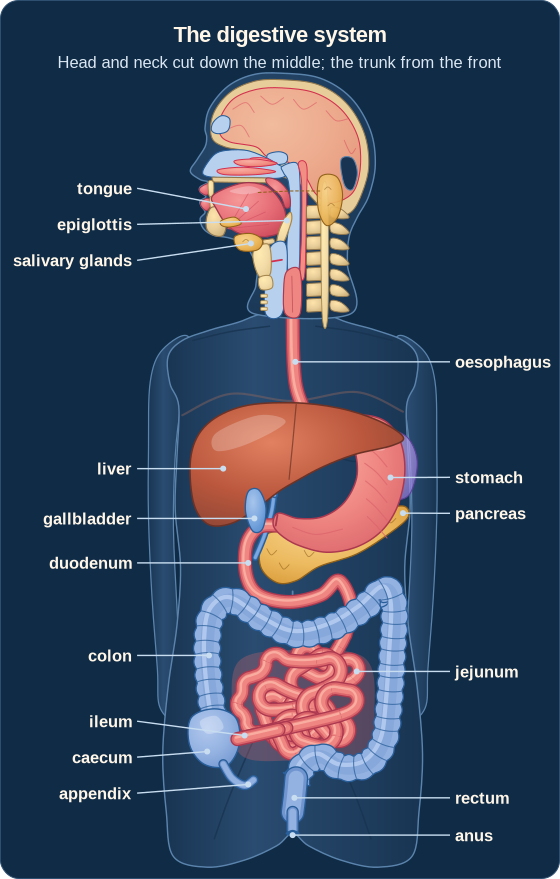
The gut microbiome: The gut microbiome is the huge community of microbes, mostly bacteria, living in the gut, most of them in the large intestine. A diverse microbiome, with many different kinds, is linked to better health.
Our example: Sana plays hockey. This term she needed a course of antibiotics, then lived on takeaways during exams, and noticed more stomach upsets in training.
Nutrients
- Breaks down fibre we cannot digest
- Makes some vitamins
Gut lining
- Keeps the wall healthy
- Helps uptake of nutrients
Health
- Supports immune defence
- Fewer gut problems in training
Free preview
This is the free notes preview
You're reading the free notes. Aimnova Pro unlocks the full study experience — and you can try it with your first topic free to keep:
- FlashcardsLock in vocabulary and key terms with spaced repetition.
- Practice questionsAnswer exam-style questions and get instant AI marking.
- Mock exams & past-paper vaultSit full mocks and see exactly how examiners award marks.
- Personalised study planA daily plan built around your exam date and weak areas.
Four things change the microbiome: genetics, diet, medications and lifestyle. Only genetics is out of the athlete's hands.
Four influences
| Influence | Examples |
|---|---|
| Genetics | The microbes a person tends to host are partly inherited |
| Diet: helps | Fibre, polyphenols (fruit, vegetables, tea, cocoa), fermented foods such as yoghurt |
| Diet: may harm | Diets heavy in meat and dairy (fermented dairy such as yoghurt is the exception) and low in fibre; highly processed food |
| Medications | Antibiotics kill helpful gut bacteria as well as harmful ones, so diversity falls |
| Lifestyle | Poor sleep, stress and anxiety can upset it; regular exercise is linked to more diversity |
Sana's term: Antibiotics cut her microbe diversity, then a low-fibre takeaway diet gave the microbes little to live on. More fibre and fermented foods help it recover.
Memorize terms 3x faster
Smart flashcards show you cards right before you forget them. Perfect for definitions and key concepts.
The microbes change how much of each nutrient is available to you and how well it is taken up.
See it drawn, step by step
In My Learning, handwritten diagrams build one step at a time. Play, pause and replay each explanation until it clicks. Create your free account to try it.
Why it matters for performance: Better nutrient uptake and a healthy gut lining support recovery and immune defence, with fewer gut upsets in training. A poor microbiome can mean less available nutrients and more illness.
Careful with claims: Microbiome science is young and changing. Many probiotic products claim more than the evidence shows, so ask what was actually tested.
How this is tested — you say what shapes the microbiome or how it affects nutrient uptake. It comes up two ways:
Paper 1 — recall and data
- Paper 1A asks what the microbiome does in nutrient uptake
- Or which food may harm it
Paper 2 — explain and evaluate
- Paper 2 asks you to outline influences on it
- Or to explain how it affects health and performance
The microbes do not absorb for you: Gut microbes break down fibre and make short-chain fatty acids and some vitamins. You absorb those; the microbes do not absorb nutrients for your cells.
Outline three factors that could change the gut microbiome of a swimmer.
Model answer plan
See the answer broken into clear points, with guidance on how each point earns marks.
Exam tips
- Four influences: genetics, diet, medications, lifestyle.
- Gut microbes break down carbohydrates (fibre) and make short-chain fatty acids that are absorbed.
- They also help make some vitamins; no single vitamin is needed in answers.
- Fibre, polyphenols and fermented foods help; diets heavy in meat and dairy may harm.
- Link the microbiome to nutrient uptake first, then to health and performance.