The big idea: A news report exists to inform fast: the most important facts go first, in a plain, factual voice — but even ‘neutral’ news makes choices you can analyse.
You skim a news app on the bus.
A headline, then the key facts up top: who, what, where, when. You could stop after one paragraph and still know the story.
That shape is deliberate — it's built so a busy reader gets the point instantly. But which facts come first, and which words the writer picks, are choices worth questioning.
What to look for
Headline + byline
A short factual headline, then who wrote it — sets the story and its source.
Inverted pyramid
Most important facts first; detail and background come later.
The 5 Ws
Who, what, where, when (and why) — packed into the opening.
Sources and quotes
Named people and officials are quoted to sound reliable and balanced.
See it drawn, step by step
In My Learning, handwritten diagrams build one step at a time. Play, pause and replay each explanation until it clicks. Create your free account to try it.
The key move: Ask ‘which facts did they put first, and what words did they choose?’ Order and word choice reveal a slant even when the tone sounds neutral.
Free preview
This is the free notes preview
You're reading the free notes. Aimnova Pro unlocks the full study experience — and you can try it with your first topic free to keep:
- FlashcardsLock in vocabulary and key terms with spaced repetition.
- Practice questionsAnswer exam-style questions and get instant AI marking.
- Mock exams & past-paper vaultSit full mocks and see exactly how examiners award marks.
- Personalised study planA daily plan built around your exam date and weak areas.
Why it matters in the exam: News can appear in Paper 1. A strong answer spots the choices inside ‘neutral’ reporting — what's placed first, whose voice is quoted, whether words are loaded — not just the facts.
When the guiding question points here: The newspaper article is a non-literary text (the guide lists reports; its list is not exhaustive). A guiding question might ask how the article's structure or language shapes the reader's view of the events.
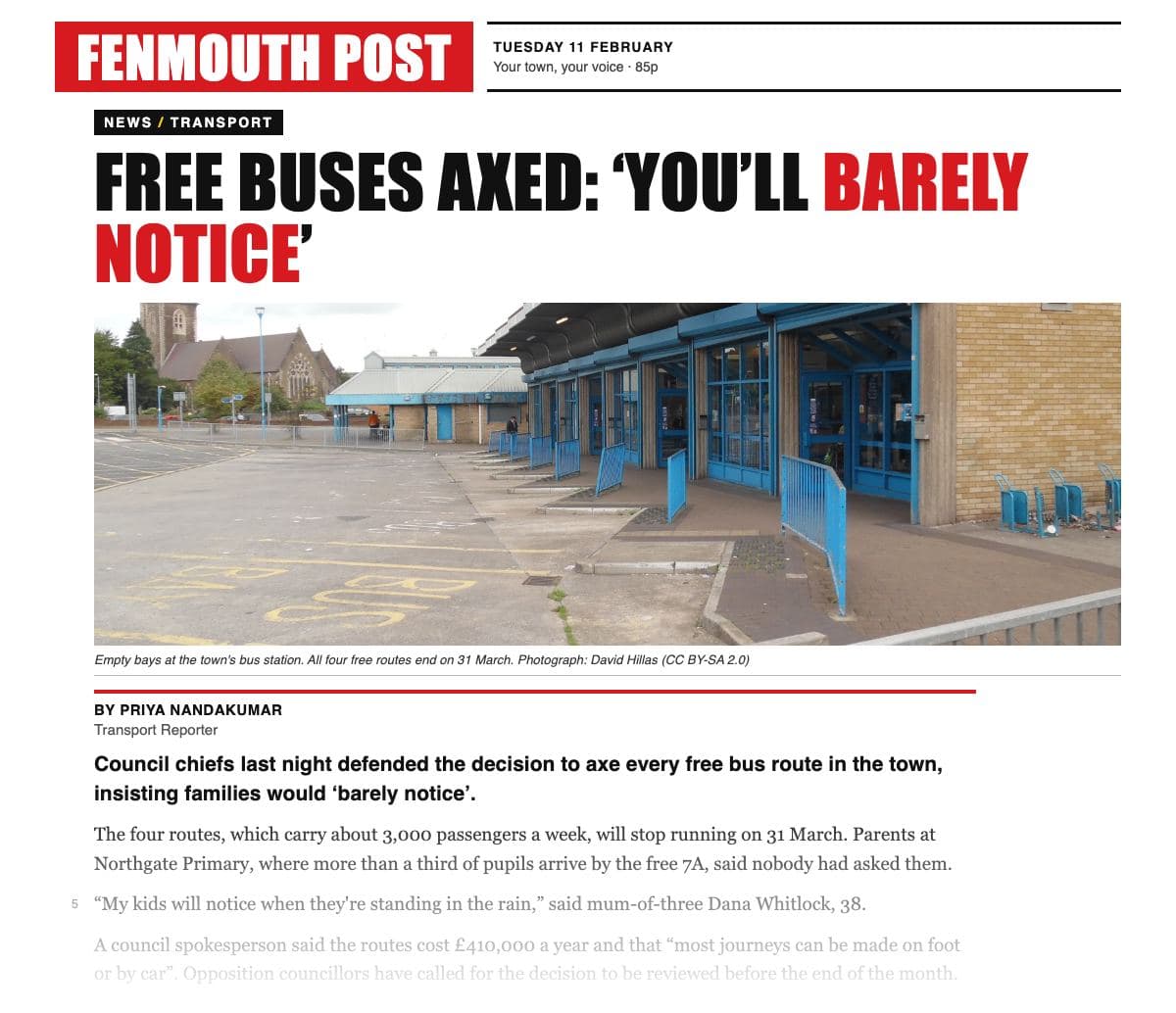
Analyse how this opening of a news report informs its readers while taking a side.
Model answer plan
See the answer broken into clear points, with guidance on how each point earns marks.
Watch out: Don't assume news is ‘just facts’ and has nothing to analyse. The slant hides in which fact comes first, which verb, whose quote — find those.