The big idea: A documentary presents a real subject — but the narration, chosen footage, music and tone are all selected, so ‘the truth’ is shaped, not just shown.
A voice over slow footage of a melting glacier: “This is where it begins.”
You feel it's the truth — but someone chose that shot, that music, those words. A different narrator could make the same glacier feel like science, or like a warning, or like grief.
A documentary constructs its truth. Analyse the choices behind the ‘facts’.
What to look for
Narration (voiceover)
A guiding voice tells you how to read the images; its word choice sets the angle.
Selected footage
Only some shots are chosen — what's shown (and left out) builds the argument.
Tone and music
Solemn, urgent or hopeful — the mood is steered by voice and soundtrack.
‘Fact’ framing
It claims to show reality, which makes its viewpoint feel objective and trustworthy.
See it drawn, step by step
In My Learning, handwritten diagrams build one step at a time. Play, pause and replay each explanation until it clicks. Create your free account to try it.
The key move: Ask ‘whose viewpoint is this, and how is it built?’ A documentary feels factual, but the narration and selection carry an argument — analyse those.
Free preview
This is the free notes preview
You're reading the free notes. Aimnova Pro unlocks the full study experience — and you can try it with your first topic free to keep:
- FlashcardsLock in vocabulary and key terms with spaced repetition.
- Practice questionsAnswer exam-style questions and get instant AI marking.
- Mock exams & past-paper vaultSit full mocks and see exactly how examiners award marks.
- Personalised study planA daily plan built around your exam date and weak areas.
Why it matters in the exam: A documentary script/extract can appear in Paper 1. A strong answer analyses how narration, tone and selection shape the viewer's response — how ‘fact’ is constructed — not just the subject.
When the guiding question points here: Film and television, and screenplays for them, are on the guide's list of non-literary types, so a documentary script can be a Paper 1 text. A guiding question might ask how narration and images shape the viewer's response: treat camera and sound directions as choices.
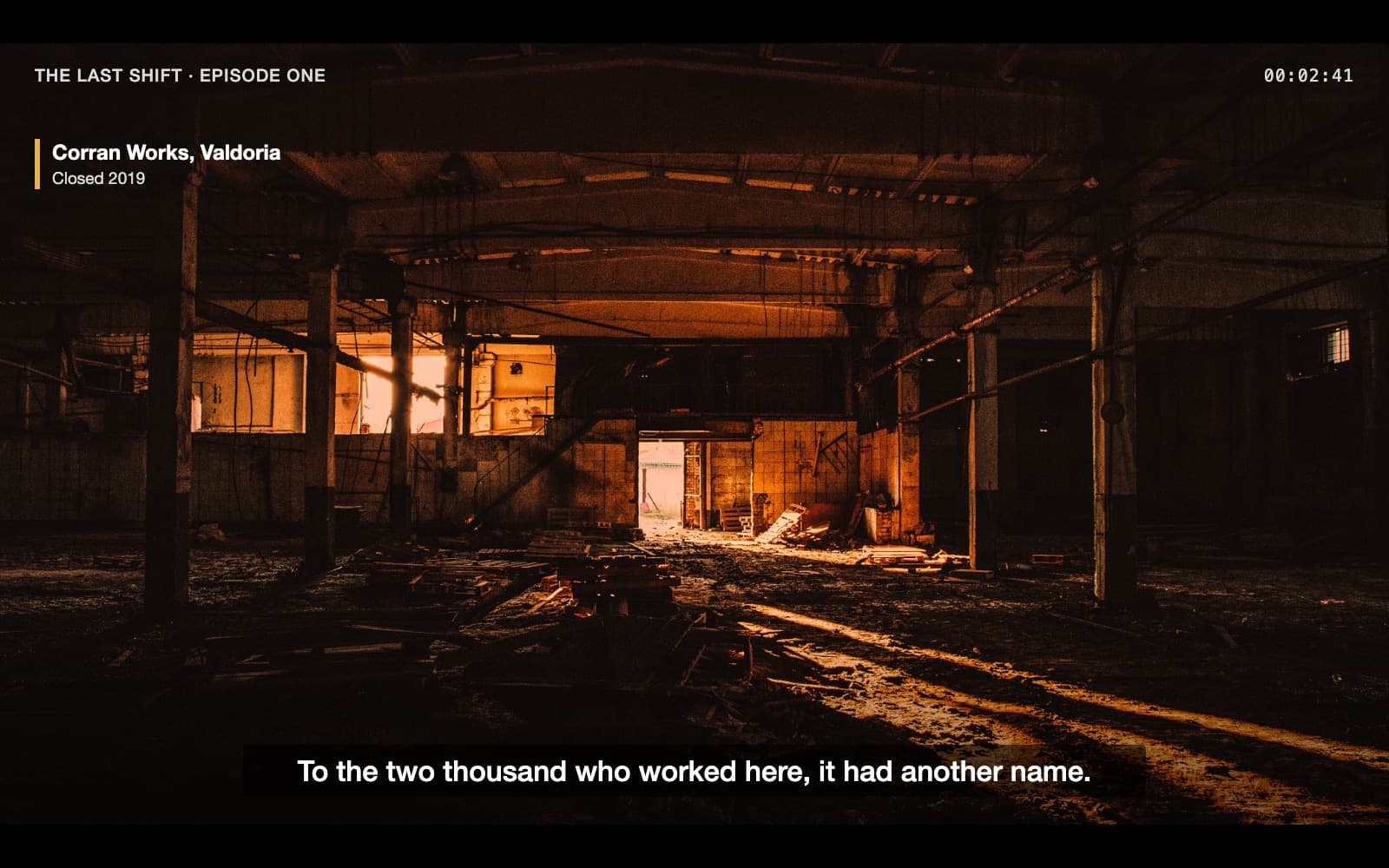
Analyse how this documentary extract uses narration and footage to build a viewpoint. The narration over this shot: “They called it progress. To the two thousand who worked here, it had another name.”
Model answer plan
See the answer broken into clear points, with guidance on how each point earns marks.
Watch out: Don't treat a documentary as pure fact with nothing to analyse. The viewpoint is built — in the narrator's words, the chosen shots and the music.